Abstract Blue Watercolor Background: A Versatile Design Asset
In the digital landscape, where visual appeal often dictates engagement, finding the right background can transform a mediocre project into a standout piece. The Abstract Blue Watercolor Background offers exactly this kind of transformative potential. Unlike rigid geometric patterns or sterile gradients, watercolor textures bring an organic, fluid quality that resonates with human emotion and creativity. This specific design asset combines the calming properties of blue hues with the unpredictable beauty of watercolor washes, making it a powerful tool for a wide array of creative endeavors.
The Artistic Value of Fluid Blue Textures
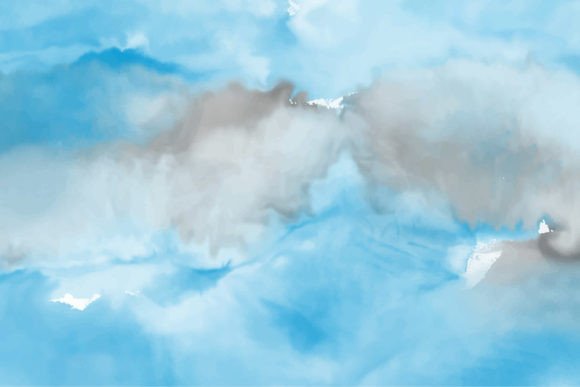
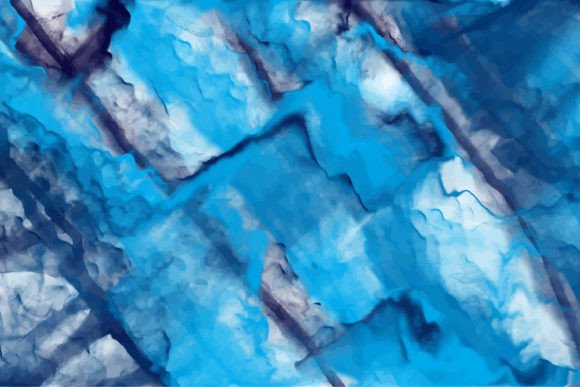
Blue is universally recognized as a color of trust, stability, and calm. When rendered in a watercolor style, these attributes are amplified by the medium's inherent softness. An Abstract Blue Watercolor Background does not demand attention aggressively; instead, it invites the viewer to linger. The interplay of light and dark blues, along with the subtle variations in pigment density, creates depth without clutter. This makes it an ideal canvas upon which text, logos, or other graphical elements can sit without competing for dominance.
For designers and creators, the value lies in the texture. Digital backgrounds can sometimes feel flat or artificial. However, a high-quality watercolor simulation introduces grain, flow, and irregularity that mimic traditional art. This tactile quality adds a layer of sophistication and warmth that is difficult to achieve with standard vector shapes alone. Whether you are looking to evoke a sense of serenity for a wellness brand or a professional yet approachable vibe for a corporate presentation, the nuances of this blue wash provide a solid foundation.
Technical Specifications and File Formats
Understanding the technical underpinnings of a design asset is crucial for ensuring it meets your specific project requirements. This particular resource comes packaged with features designed to accommodate both print and digital workflows. The primary deliverables include a high-resolution image and a fully editable vector file, offering flexibility that many free assets lack.
- 300 DPI JPG: The JPEG file is provided at 300 dots per inch (DPI). This resolution is the industry standard for high-quality printing. It ensures that when the background is printed on physical media—such as book covers or merchandise—the image remains crisp and free of pixelation. This level of detail is essential for professionals who cannot afford blurry or jagged edges in their final products.
- Illustrator EPS CC: Included is an Encapsulated PostScript (EPS) file compatible with Adobe Illustrator CC. This vector format is a game-changer for scalability. Unlike raster images (like JPGs), vectors are mathematically defined, meaning they can be resized infinitely without losing quality. Furthermore, the EPS file allows for direct editing within Illustrator. You can adjust the hue, separate layers, modify the flow of the paint strokes, or blend the colors to match your brand palette perfectly.
- ZIP Archive: Both files are conveniently bundled in a single ZIP folder, ensuring easy download and organization. This structure prevents data corruption during transfer and keeps all assets together for quick access.
Practical Applications Across Industries
The versatility of an Abstract Blue Watercolor Background extends far beyond simple decoration. Its adaptability makes it suitable for various industries and use cases, ranging from publishing to social media marketing.
Book Covers and Publishing
For authors and self-publishers using platforms like Amazon KDP, the cover is the most critical marketing tool. A generic stock photo often fails to capture the mood of a story. In contrast, a blue watercolor background can set a specific tone. For mystery novels, deep indigos suggest intrigue; for romance or fantasy, lighter aquas imply hope and magic. Because the texture is abstract, it does not distract from the title typography, allowing the book's name to pop while maintaining an artistic aesthetic.
Digital Media and Social Posts
In the fast-paced world of social media, stopping the scroll requires visual interest. Using this background for Instagram posts, Facebook ads, or LinkedIn banners can elevate a brand's perceived value. The organic nature of the watercolor contrasts well with the rigid grids of social platforms, creating a unique visual identity. It works exceptionally well for quotes, announcements, or promotional graphics where readability is key but plain white feels too stark.
Web Design and Presentations
Web designers often struggle to balance aesthetics with load times and readability. A compressed version of this background can serve as a section header or a footer accent, adding character without overwhelming the user interface. Similarly, in business presentations created in MS PowerPoint or Google Slides, replacing the default white slide with a subtle blue wash can make the content feel more premium and engaging. It signals to the audience that effort has been put into the visual delivery of the information.
Physical Merchandise and Stickers
The 300 DPI resolution opens doors for physical products. Print-on-demand services allow entrepreneurs to apply this design to mobile phone covers, tote bags, and stickers. The blue tones are generally gender-neutral and widely appealing, making them safe choices for mass-market merchandise. For sticker artists, the vector capability means the design can be cut precisely, while the JPG version is perfect for full-color vinyl prints.
Workflow Integration and Software Compatibility
One of the greatest strengths of this asset is its compatibility with common software tools used by non-designers and professionals alike. You do not need to be a master of complex graphic software to utilize it effectively.
If you are using Canva, simply upload the JPEG file. Canva’s drag-and-drop interface allows you to place the background behind your text boxes or photos instantly. You can even apply transparency effects to blend the watercolor with other elements. For users of MS Word or MS PowerPoint, the process is equally straightforward. Insert the image as a page background or slide background, and adjust the brightness if necessary to ensure your black text remains legible.
For those with access to Adobe Illustrator, the possibilities expand significantly. Opening the EPS file reveals the vector paths. You can ungroup the elements to isolate specific splashes of color, change the blending modes, or even combine this background with other vector illustrations. This editability is particularly valuable for branding projects where exact color matching (CMYK or RGB) is required to maintain consistency across different media.
Evaluating Suitability for Your Project
While the Abstract Blue Watercolor Background is highly versatile, it is important to evaluate whether it fits your specific needs before committing to a project. Consider the following factors:
- Color Psychology: Does blue align with your message? If your brand relies heavily on red for urgency or yellow for energy, blue might feel too passive. However, for finance, health, technology, and education sectors, blue is almost always a positive choice.
- Text Legibility: Watercolor textures can be busy. Always test your typography over the background. Dark text on light blue areas usually works well, but if the background is too dark or saturated, you may need to add a semi-transparent white overlay or choose a contrasting font color.
- Print vs. Screen: Ensure you select the correct file for your output. Use the 300 DPI JPG for anything that will be physically printed. For web use, a lower resolution version derived from the JPG will load faster, though the original quality is sufficient for high-end digital displays.
- Customization Needs: If you require the ability to change the color entirely—for example, turning the blue into green or purple—the EPS vector file is mandatory. If you only need the texture as-is, the JPEG is sufficient and easier to manage.
Conclusion
The Abstract Blue Watercolor Background represents more than just a decorative image; it is a functional asset that bridges the gap between professional polish and artistic expression. By offering both high-resolution raster and editable vector formats, it caters to a broad spectrum of users, from students creating school projects to seasoned designers launching global brands. Its application spans from the tangible world of book covers and stickers to the digital realms of social media and web design.
Ultimately, the success of any design project often hinges on the foundational elements chosen. This background provides a sophisticated, calming, and adaptable base that enhances rather than distracts. Whether you are leveraging it in Canva for a quick social post or manipulating the vector paths in Illustrator for a custom print run, the quality and versatility of this resource ensure that your final output stands out. For those seeking further inspiration or complementary assets such as KDP interiors, T-shirt designs, and custom brushes, exploring the creator's profile offers a wealth of additional resources to continue building your creative toolkit.